Do I Still Owe Rent When My Home Contains Habitability Defects?
Your home, while not perfect, has been your sanctuary for years. You’ve paid your rent, you’ve taken care of the unit, despite its many imperfections. …


Your home, while not perfect, has been your sanctuary for years. You’ve paid your rent, you’ve taken care of the unit, despite its many imperfections. …
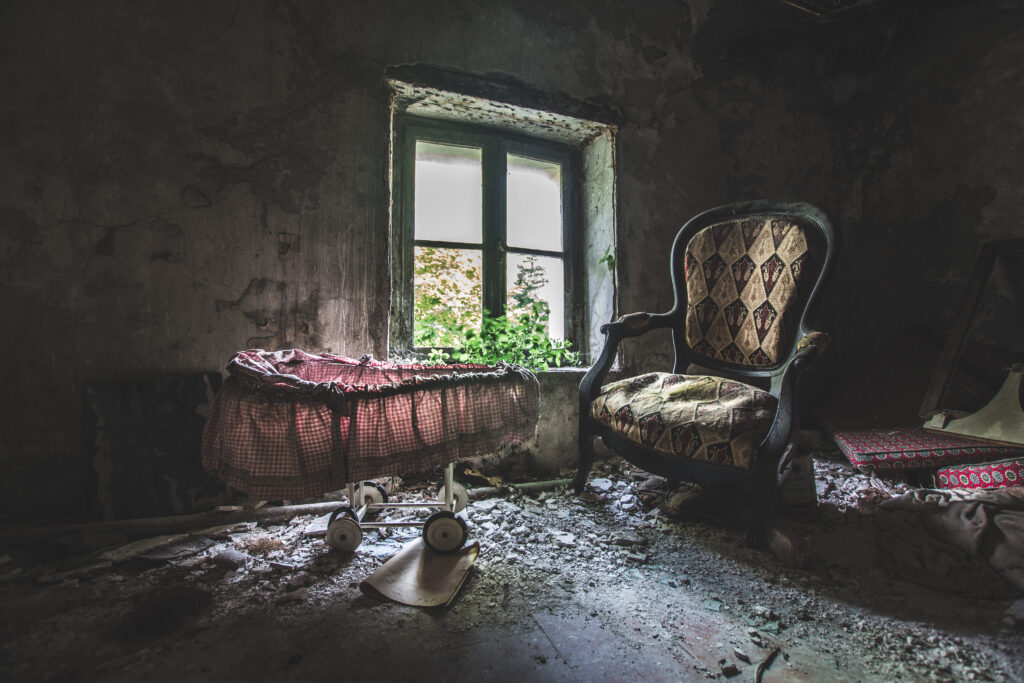
Your home, while not perfect, has been your sanctuary for years. You’ve paid your rent, you’ve taken care of the unit, despite its many imperfections. …

As the old adage goes, dig the well before you are thirsty. With soaring gas prices and an unstable gas market, you might start thinking…

Be it a significant other, a friend too drunk to drive, or a family member visiting from out-of-town, allowing an overnight guest to spend the…

Be it a significant other, a friend too drunk to drive, or a family member visiting from out-of-town, allowing an overnight guest to spend the…

After years of ignored complaints, deferred maintenance, and several emergency events, you’ve had enough of your landlord’s failure to repair your dilapidated rental home. You’ve…

Your home, while not perfect, has been your sanctuary for years. You’ve paid your rent, you’ve taken care of the unit, despite its many imperfections. …

After years of ignored complaints, deferred maintenance, and several emergency events, you’ve had enough of your landlord’s failure to repair your dilapidated rental home. You’ve…

After years of ignored complaints, deferred maintenance, and several emergency events, you’ve had enough of your landlord’s failure to repair your dilapidated rental home. You’ve…

After years of ignored complaints, deferred maintenance, and several emergency events, you’ve had enough of your landlord’s failure to repair your dilapidated rental home. You’ve…
Your home, while not perfect, has been your sanctuary for years. You’ve paid your rent, you’ve taken care of the unit, despite its many imperfections. You’ve complained about habitability defects profusely, for years. Despite your prudence, the landlord has not made repairs, and your home remains uninhabitable. It has been dilapidated for years. Despite this, you continue paying rent. However, you begin to feel that it is not fair. Why should you, the upstanding & rent paying tenant, continue paying rent for a home even squatters would reject. You begin to wonder; Do I still owe rent when my home contains habitability defects?
The short answer is uncomplicated: You do not legally owe full rent when your home contains at least substantial habitability defect. This is because your duty to pay rent arises from your landlord meet all of their obligations, including their duty to provide a home that complies with the implied warranty of habitability. Stoiber v. Honeychuck, (1980) 101 Cal. App. 3d 903, 916. The implied warranty of habitability requires that, “bare living requirements [are] maintained.” Green v. Superior Court, (1974) 10 Cal. 3d 616, 637. This means that if the landlord fails to provide a habitable unit, and correct all repair defects they know or should know about, you are not legally required to pay the entire rent due until the issues are resolved. California Code of Civil Procedure § 1174.2; Knight v. Hallsthammar, (1981) 29 Cal. 3d 46, 57. However, several additional factors make the tenant’s decision to withhold all or a portion of the rent more complicated than this initial answer suggests.
First, notwithstanding a breach of the warranty of habitability, you must still pay, "reasonable rent," for the period of breach. California Code of Civil Procedure § 1174.2(a)(1), (2), & (4). The court must determine the proper rent due. Id. There is no statutory measure for this; rather, the amount of, "reasonable rent," due depends upon the damages to the home caused by the breach. Green v. Superior Court (Sumski), (1974) 10 Cal. 3d 616, 638-639.Second, it should be noted that any tenant that withholds rent, justified or not, chances losing their home in an unlawful detainer (eviction) lawsuit based on the tenant’s alleged nonpayment of rent. The landlord might never file the eviction action. But, if they do, the tenant will have to defend themselves in that action. If they lose, they may become evicted from their home. Therefore, withholding rent, even when justified, carries significant risk.
In light of the risk of losing your home, you may elect to take an alternative measure. The two (2) main alternative measures here are to repair the habitability defect yourself and deduct the amount you spent from the rent, or continue paying rent and commence a legal or administrative proceeding against your landlord to recover, inter alia, the rent your landlord was not entitled to collect or retain. These alternatives may offer a means of addressing uninhabitable conditions while reducing the risk of losing your home.
The repair and deduct method is simple. After notifying your landlord of the uninhabitable condition and providing them with a reasonable opportunity to cure the issue, you retain a vendor to repair the issue. California Civil Code § 1942; Secretary of Housing & Urban Development v. Layfield, (1978) 88 Cal. App. 3d Supp. 28, 30. You proceed to pay the vendor and then send a copy of the proof of payment to your landlord while requesting reimbursement. You inform them that you will deduct this amount from the next rent payment if they do not reimburse you before you tender rent. Please be advised that the landlord could still elect to file an eviction action against you for alleged nonpayment of rent, but you will have a stronger defense and be more likely to prevail than if you simply withhold all of the rent. Further, it is believed that the landlord is less likely to commence an eviction action in this scenario. By repairing and deducting, the tenant may secure necessary repairs with minimal out-of-pocket costs and less eviction risk than withholding all of the rent.
The least risky but most protracted method is to continue paying your rent while making repairs and then commence a legal or administrative proceeding against your landlord after it becomes apparent that they will not make the unit habitable. Here, an administrative proceeding is a petition for decrease in services at your local rent board, if you reside in a jurisdiction with a rent board. If you do not reside in a jurisdiction with a rent board, you may commence civil litigation in court. Typically, California tenants only commence civil litigation in court when they realize their landlord is never going to make the unit habitable and they become constructively evicted (displaced) from the uninhabitable unit. But, many California tenants remain in their home while bringing this claim. Ultimately, this approach may reduce the risks associated with withholding rent, but it requires the tenant to bear ongoing costs while pursuing relief through a potentially lengthy legal or administrative process.
Repeated complaints and broken promises should not define your experience at home. When habitability defects persist and requests for repairs go unanswered, pursuing a habitability claim may be an important step toward holding those responsible accountable and seeking compensation for the harm you have suffered. Although the law is clear, you do not legally owe rent when your home contains habitability defects, how you choose to handle this issue requires careful consideration of the available remedies, the risks associated with each, and your need to protect both your housing and your financial interests.