Case Management Conferences in California Civil Litigation
After commencing civil litigation in California, the trial court typically notices a case management conference. Your lawyer will inform you about setting of the conference…

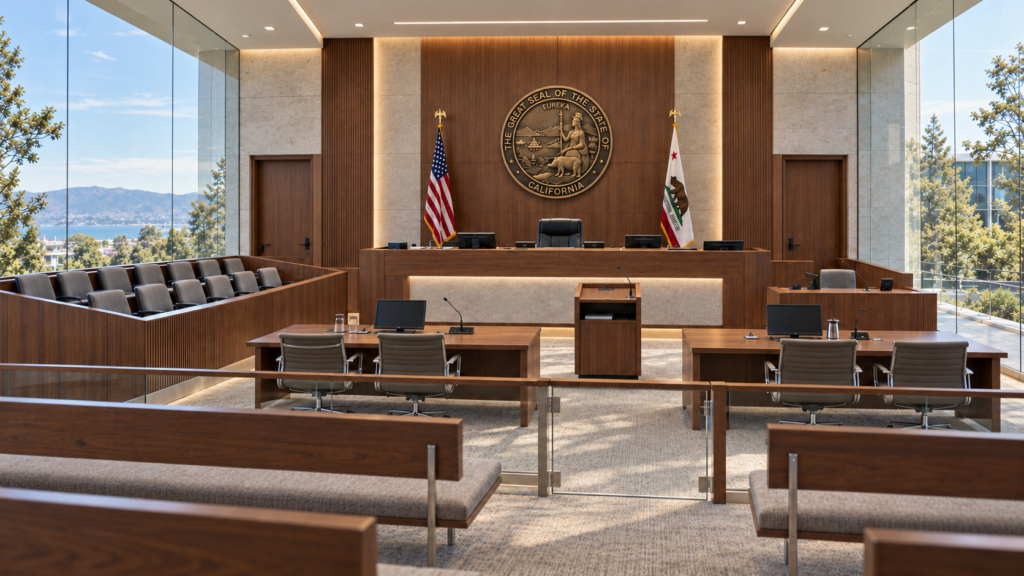
After commencing civil litigation in California, the trial court typically notices a case management conference. Your lawyer will inform you about setting of the conference…

Your home, while not perfect, has been your sanctuary for years. You’ve paid your rent, you’ve taken care of the unit, despite its many imperfections. You’ve…

Your home, while not perfect, has been your sanctuary for years. You’ve paid your rent, you’ve taken care of the unit, despite its many imperfections. You’ve…

During litigation, your attorney is likely going to request that you provide verified discovery responses. If you have already commenced litigation, you might already have…

Your home, while not perfect, has been your sanctuary for years. You’ve paid your rent, you’ve taken care of the unit, despite its many imperfections. You’ve…

Your home, while not perfect, has been your sanctuary for years. You’ve paid your rent, you’ve taken care of the unit, despite its many imperfections. You’ve…

Your home, while not perfect, has been your sanctuary for years. You’ve paid your rent, you’ve taken care of the unit, despite its many imperfections. You’ve…

Your home, while not perfect, has been your sanctuary for years. You’ve paid your rent, you’ve taken care of the unit, despite its many imperfections. You’ve…

Your home, while not perfect, has been your sanctuary for years. You’ve paid your rent, you’ve taken care of the unit, despite its many imperfections. …

Your home, while not perfect, has been your sanctuary for years. You’ve paid your rent, you’ve taken care of the unit, despite its many imperfections. …
After commencing civil litigation in California, the trial court typically notices a case management conference. Your lawyer will inform you about setting of the conference and inform you that they will attend the proceeding. In the event that you have served the other parties and they have appeared in the action, they, or their counsel, will also likely attend the conference. Unless you are experienced with trial, you likely lack any understanding as to what a case management conference is. You also likely have several questions about the upcoming proceeding. What happens during the case management conference? Must I attend the case management conference? Is the case management conference the trial? This article provides a concise overview of case management conferences in California civil litigation.
In California civil litigation, a case management conference is a court proceeding wherein the court reviews the case with the parties, or their counsel. Each case can have multiple conferences. At each conference, the court determines whether to assign the case to an alternative dispute resolution process or set the case for trial. The court may also consider any other matters identified by the California Rules of Court, Rules 3.727 and 3.728. Rule 3.727 provides for the following subjects to be considered at the case management conference:
Rule 3.728 provides for the following matters to be considered in the court’s order pertaining to the case management conference:
These conferences help keep a case from drifting without direction. Through periodic review and appropriate orders, the court can address obstacles, coordinate the remaining proceedings, and keep the parties focused on resolving the dispute by way of settlement or trial.
No, the case management conference is not the same as a trial. It is not a trial. A trial is a formal court proceeding in which opposing parties present evidence and arguments to a judge or jury, who decides the disputed issues and whether relief should be awarded. A case management conference is a comprehensive review of the case at the prelitigation stage to coordinate an efficient route to trial or settlement.
The jury is not present at the case management conference. The judge makes no evidentiary determination as the case management conference. At the first case management conference, it is unlikely that the parties even have all of the evidence in their possession.
Your attendance at a case management conference is not necessary if your attorney attends on your behalf.
Yes, in most trial courts throughout California, you may attend remotely, usually via either telephone or Zoom.
If you choose to attend the case management conference, you are encouraged to dress in business casual attire, even when you attend remotely.
Yes, but they should remain silent for the entirety of the case management conference.
If you have counsel, it is unlikely the judge will talk to you if you choose to attend the case management conference. If you do not have counsel, you will have to talk to the judge and the Defendant or their counsel.
Similarly, defense counsel should not question you. In the event they attempt to question you, your attorney should request that the judge demand that they cease. If they do not cease, their uncivil conduct becomes harassment.
Your attorney should perform most of the preparation work for the case management conference. But, they will likely ask for your assistance as they prepare. To prepare for a case management conference, you should anticipate providing the following information to your counsel:
Although no case management conferences are alike, they typically only last about five (5) minutes. However, courts tend to hear groups of cases together, and your attorney may be required to wait much longer – sometimes over an hour – for your case to be heard. However, it is vital to note that brevity does signal unimportance. The case management conference is consequential. It is a proceeding before the court.
At the conclusion of the case management conference, the judge makes a standing order setting forth the rulings arrived upon during the case management conference. Typically, these include setting trial, referring the case to ADR or a mandatory settlement conference, setting a subsequent case management conference, and addressing any other matter raised by the party or parties during the case management conference. Shortly thereafter, the trial court issues a case management order setting forth the rulings in writing. The parties must comply with the case management order as they continue litigating their case.
Although a case management conference may be brief, it is an important step toward resolving your case. It gives the court and counsel an opportunity to assess the case’s progress, address obstacles, and establish what happens next. For you, the practical takeaway is straightforward: stay in communication with your attorney, provide the information they need, and understand how the court’s orders affect your responsibilities and the anticipated course of your case. Knowing what to expect can make an unfamiliar proceeding feel more manageable and help you participate confidently in the litigation process.