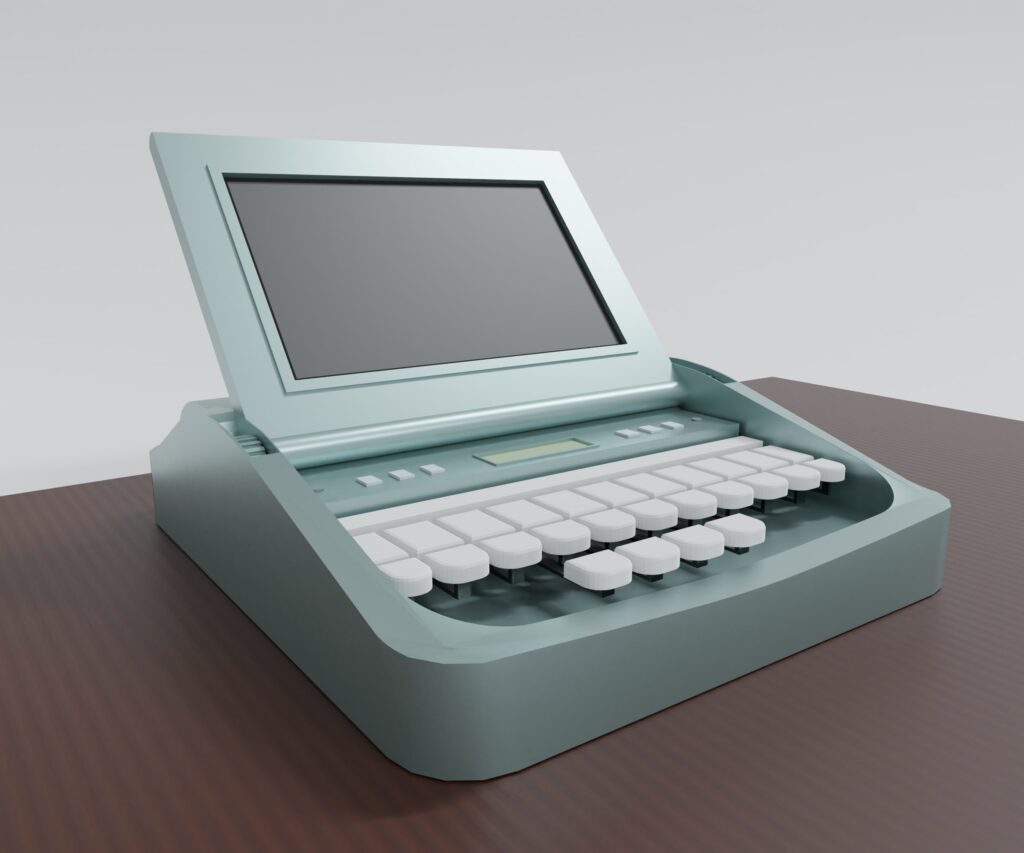
Deposition Notices in California Litigation
You’ve filed a complaint with the court and served it on the defendants. Now, you wish to depose – a deposition is a sworn out-of-court testimony of a witness or party in a lawsuit, taken before a court reporter and intended to be used in court, either for discovery purposes before trial or for evidence at trial. Black’s Law Dict. (12th Ed. 2024) – a person or entity. How do you compel their attendance at a deposition? California Code of Civil Procedure section 2025.200; et seq., governs depositions. To compel a witness to appear for a deposition, the party seeking to take the deposition must serve a legally enforceable Notice of Deposition, for parties to the litigation, or Deposition Subpoena, for third parties who are not a party to the litigation. This article provides a concise overview of what these documents must contain to be legally enforceable.
A deposition notice must include all of the following required information:
- The address where the deposition will be taken. California Code of Civil Procedure
§ 2025.220(a)(1); - The date of the deposition, and the time it will commence. California Code of Civil Procedure
§§ 2025.220(a)(2), 2025.270; - The name of each deponent, their address and telephone number, if known, or of any deponent who is not a party to the action. If their name is unknown, the deposition notice must provide a general description sufficient to identify the person or particular class to which the person belongs. California Code of Civil Procedure
§ 2025.220(a)(3); - The specification with reasonable particularity of any materials or category of materials, including any electronically stored information, to be produced by the deponent. California Code of Civil Procedure
§ 2025.220(a)(4); - The intention, if any, to record the deposition by audio or video technology, in addition to stenographic recording. California Code of Civil Procedure § 2025.220(a)(5);
- The intention, if any, to record the testimony by stenographic method, through instant visual display of testimony. California Code of Civil Procedure § 2025.220(a)(5);
- The intention, if any, to reserve the right to use a video recording of a treating or consulting physician or other expert witness under California Code of Civil Procedure § 2025.620(d). California Code of Civil Procedure § 2025.220(a)(6);
- The specification of the form in which any electronically stored information is to be produced, if a particular form is desired. California Code of Civil Procedure § 2025.220(a)(7);
- A statement disclosing the existence of a contract, if any is known to the noticing party, between the noticing party or a third party who is financing all or part of the action and the deposition officer or the entity providing the deposition officer’s services for any service beyond the noticed deposition. California Code of Civil Procedure § 2025.220(a)(8)(A);
- If, as defined in California Code of Civil Procedure sections 1985.3(a), 1985.6, the party giving notice of the deposition is a subpoenaing party, and the deponent is a witness commanded by a deposition subpoena to produce personal records of a consumer or employment records of an employee, the subpoenaing party shall serve on that consumer or employee all of the following:
- A notice of the deposition;
- The notice of privacy rights specified in California Code of Civil Procedure sections 1985.3(e), 1985.6(e);
- A copy of the deposition subpoena; and,
- A statement disclosing that the party noticing the deposition, or a third party financing all or part of the action, directed his or her attorney to use a particular officer or entity to provide services for the deposition, if applicable. California Code of Civil Procedure § 2025.220(a)(8)(B).
Where the deponent is not a natural person, the deposition notice must also include a description with reasonable particularity of the matters on which examination is requested. California Code of Civil Procedure § 2025.230. This information triggers the deponent’s duty to designate persons who are qualified to testify as to these matters, to attend and testify on its behalf. Id.
Where a deposition notice lacks one (1) or more of these requirements, the person or organization commanded to appear in response to the notice may serve written objections providing notice that they will not attend. Additionally, they may attempt to obtain a protective order regarding the nonconforming notice. Finally, they may file a motion to quash seeking an order to quash the notice of deposition as defective. Oak Grove School Dist. v. City Title Ins. Co., (1963) 217 Cal. App. 2d 678.
Click here to access a blank Notice to Consumer or Employee and Objection.